
Congratulations on your new puppy! The holidays are a popular time when many people just like you welcome a new puppy into their lives. You have more time on your hands, toilet training is easier in the summer months, and there are more opportunities for getting out and about with your puppy in the good weather. Great timing!
So, what comes next? The list of do’s and don’ts is endless, everybody is suddenly a puppy behaviour expert, and it can seem overwhelming at times! So, here are my top 5 training tips for new puppy parents in Richmond, Twickenham, Teddington and Hampton (or wherever you may be).
1.Prioritise socialisation over training
Having a puppy that sits on command, can do 15 tricks and come when called is not only jolly useful, it's impressive! However, if that puppy, now 6 months old, can only be obedient at home and is a nervous wreck or an overexcited barker at the park, or when visiting your local dog-friendly pub, you might wish you'd spent more time familiarising it with sights, sounds and smells when it was a baby puppy (a.k.a. "socialisation"). If you’re smart, you’ll kill two birds with one stone and enrolling on a local puppy training class, combining socialisation and training in one go.
enrol on a local puppy training course
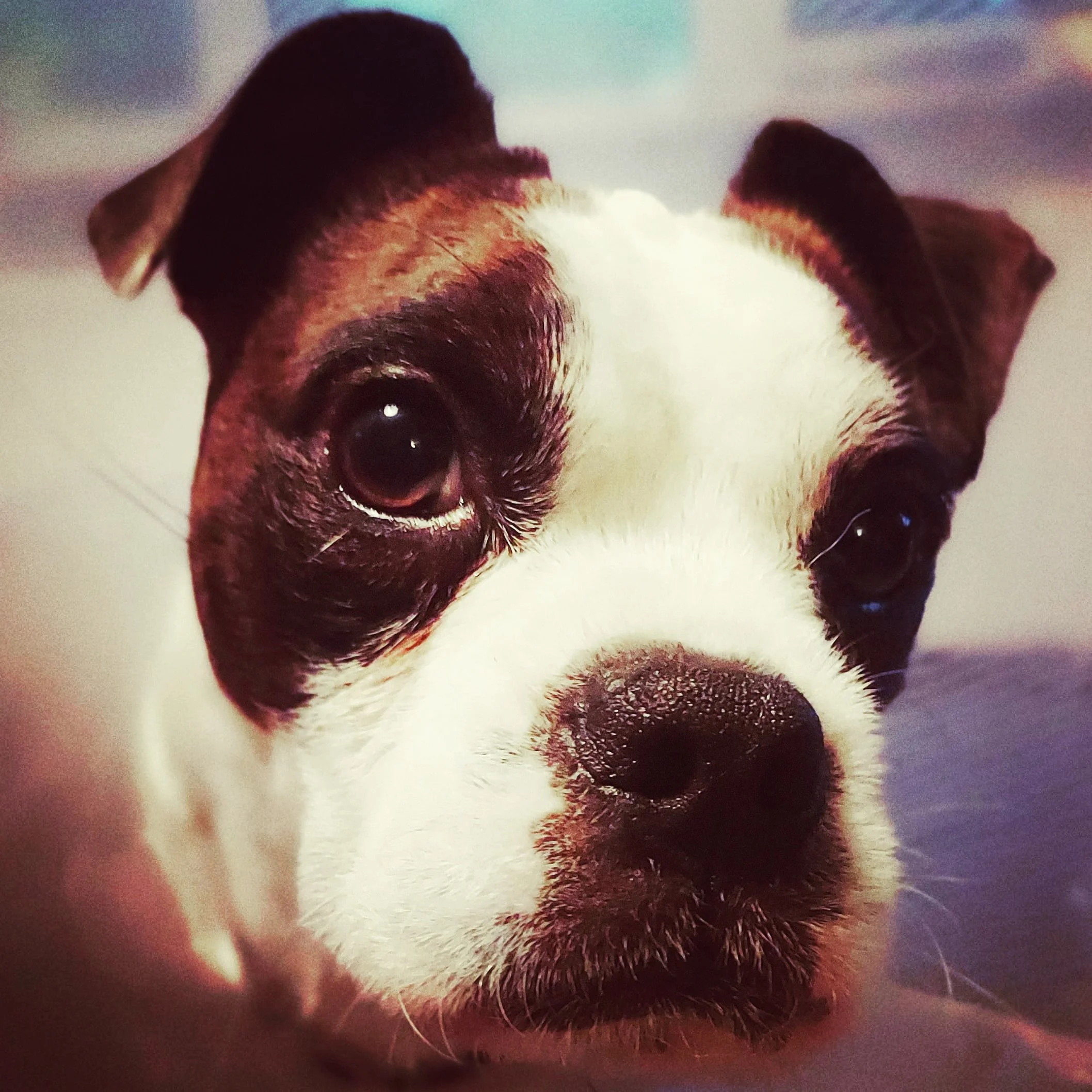
2.Gradual Exposure Builds Confident Pups.
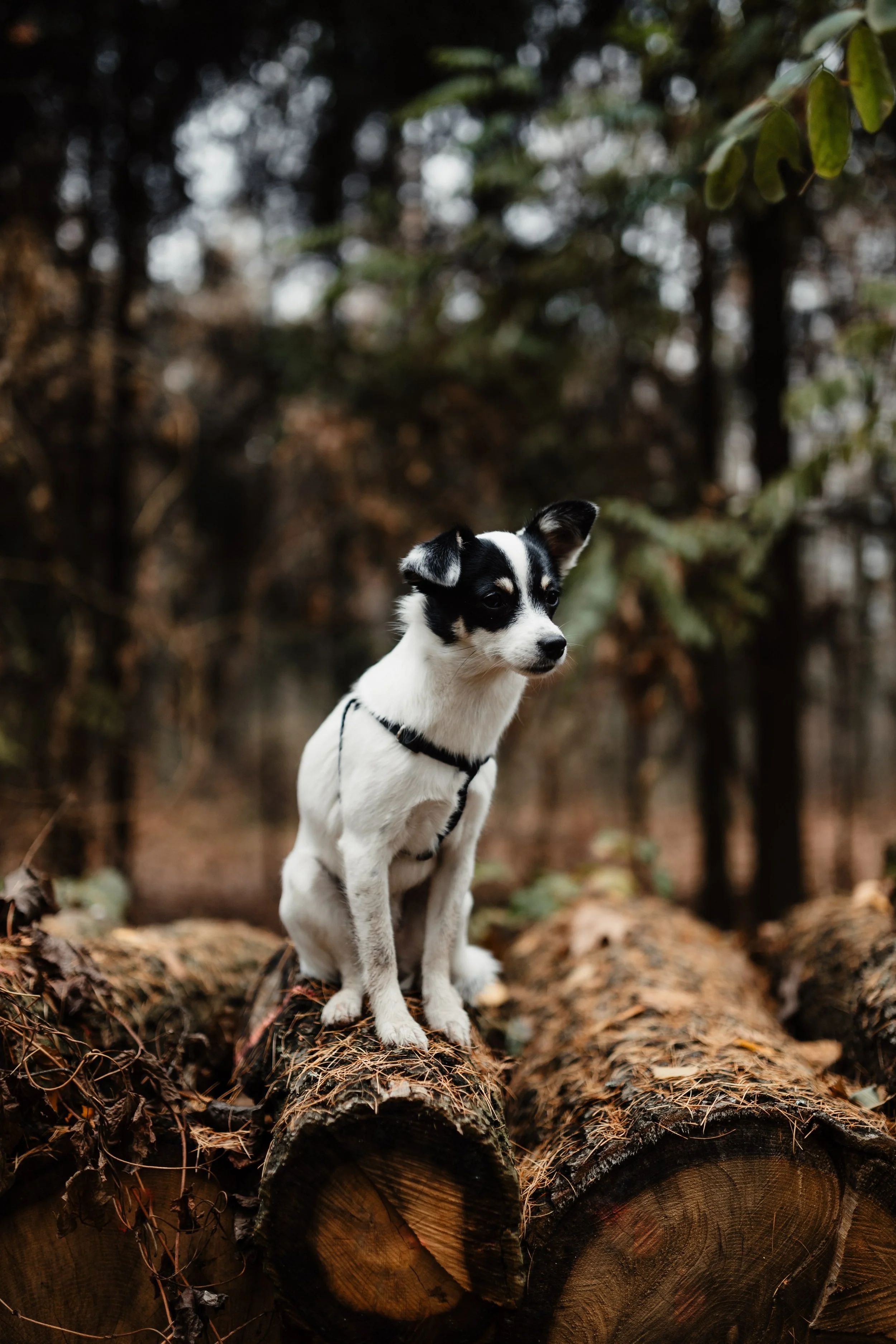
Taking your puppy to a parade or summer fete might seem like a good idea but you can easily overwhelm them, potentially leading to a lifelong fear of busy places or crowds. Start with open spaces, or pubs or shops at quieter times, building your puppy's confidence gradually. Personal favourites include: Squires in Twickenham and The Anglers in Teddington. What are your favourite places to take your puppy or dog for a positive experience?
Go at Your Puppy's Pace. Taking your puppy out and about is imperative for effective socialisation (the magic window closes by 16 weeks), but beware of rushing your puppy! If your puppy spends most of their walk sat down or only wants to sniff up and down your street, let them—don't drag them—they need time to process their environment to feel safe. Conversely, if your puppy is bounding up to meet people and dogs, it would serve you well to slow them down. Watch your puppy's body for clues as to how they might be feeling, and adjust your speed accordingly (it helps to keep them on a lead!).
3.Exercise, Training, Rest…
…are the 3 main components of a well-structured day for any puppy and I would recommend doing them in that order. However, the order of importance, is actually the other way round!
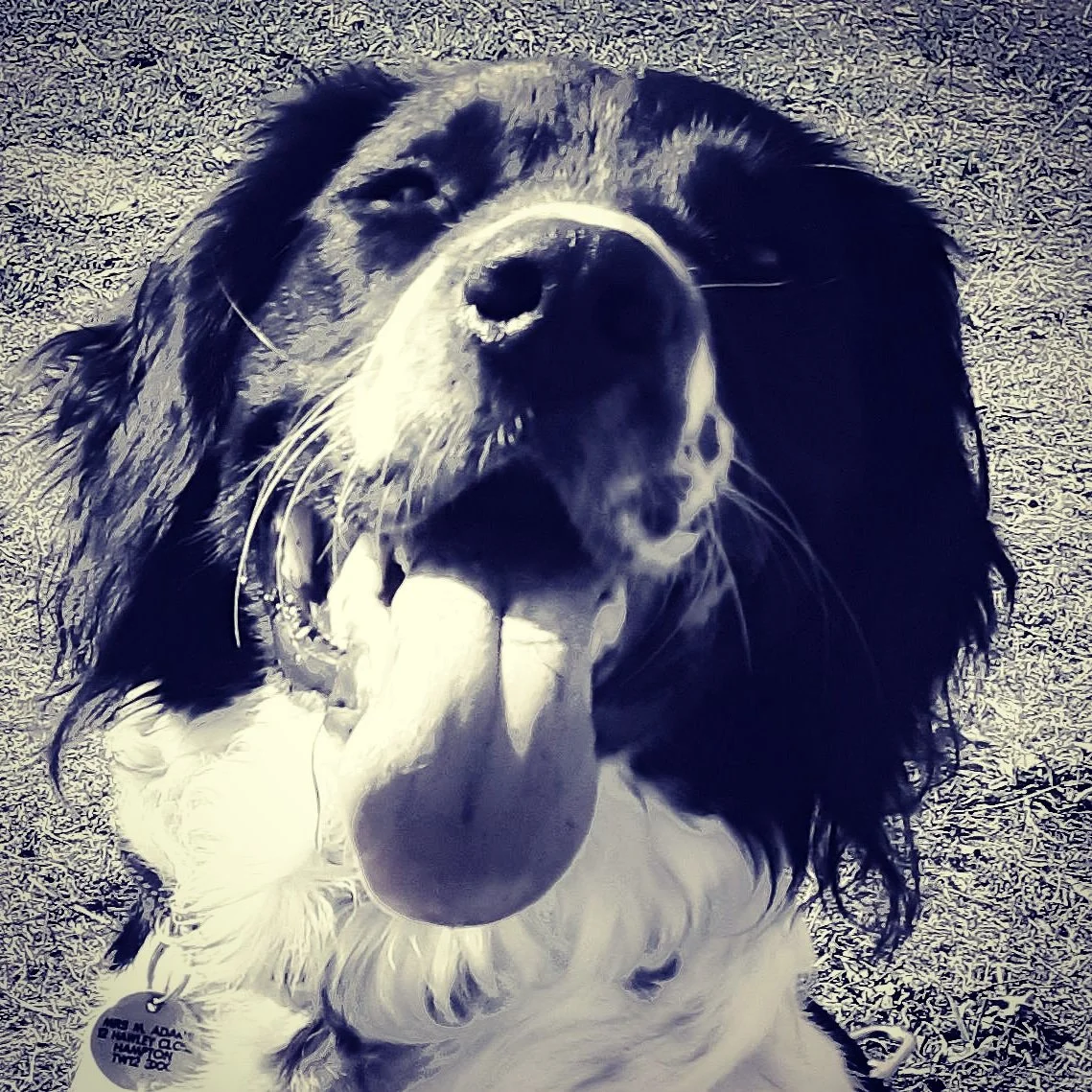
Puppies need a massive 18-20 hours of sleep, including day naps and night time. Tired puppies are bitey puppies, so crate training for your puppy is a must, in my opinion, to ensure they are getting sufficient rest.
Then, training (or play or doing puzzles together) for learning and development, enrichment and mental stimulation. Most working type breeds and young dogs with heaps of energy will need some form of training each and every day to keep the less desirable behaviours at bay.
Finally, exercise comes last because although it is important that when your dog is mature they get plenty of fresh air and freedom to run around, as a puppy they need sleep and well managed, social interaction (training, play, etc) more.
4.Puppies Need to Play!
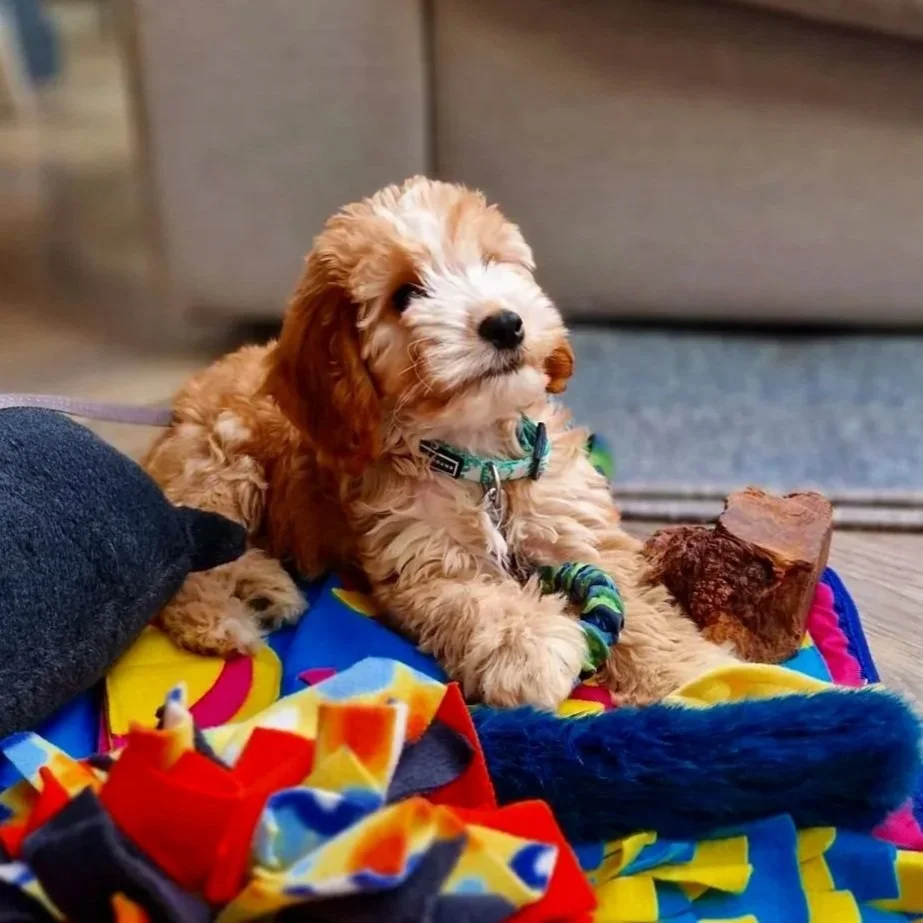
Many social mammals (humans, dogs, wolves, dolphins, otters) learn the "rules of life" when young through play. In our puppy training classes we teach owners Play Protocols that help to mitigate against biting, jumping up, resource guarding and teach self-control, manners and listening skills - all whilst having a whole heap of fun! I do believe that puppies benefit from having a puppy play mate to roll around with (and it's great fun to watch!) but if you are not regularly playing with your puppy then you're not only missing a trick, you’re missing out.
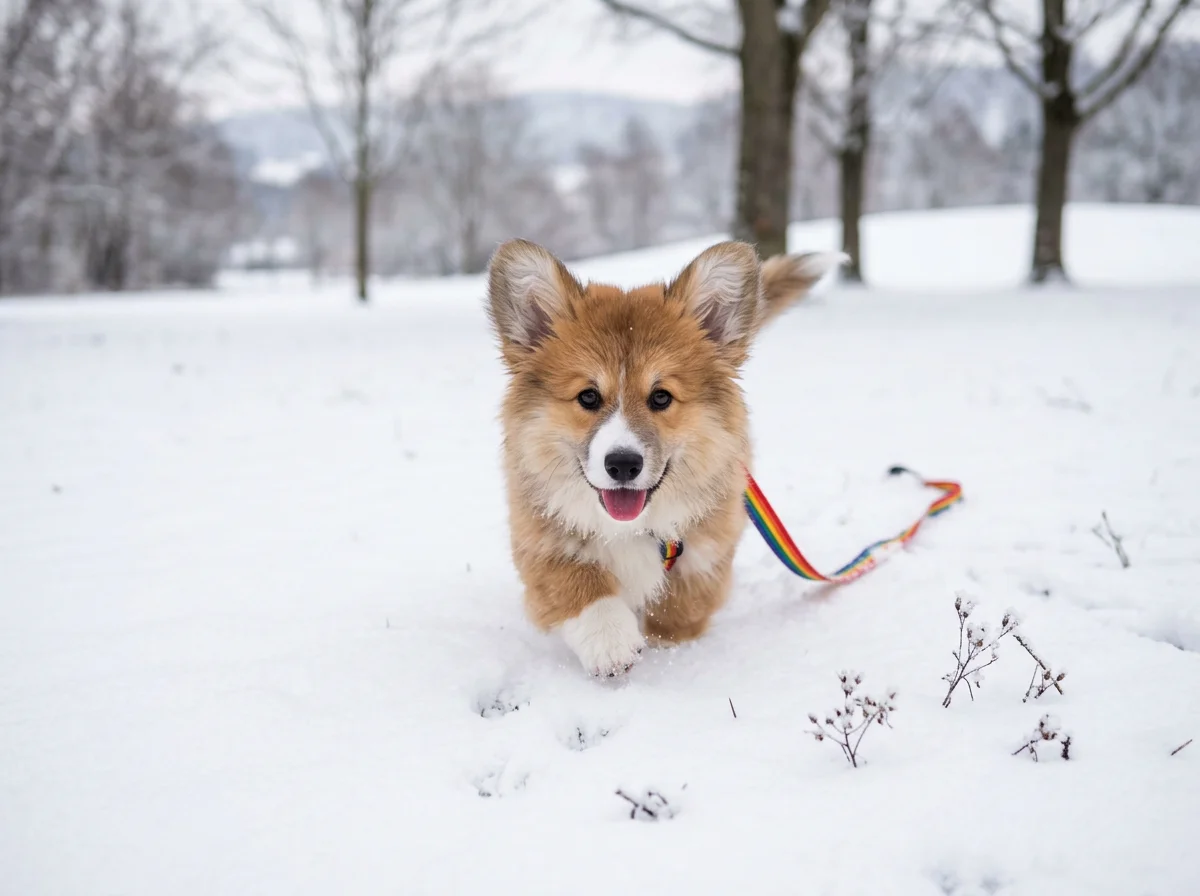
5.KEEP THEM ON A LEAD. KEEP THEM ON A LEAD. KEEP THEM ON A LEAD.
Did I say, keep them on a lead? Keep them on a lead. "Why?", you may ask. "Well", replied every dog trainer worth their salt, "Why not!?" Let me give you a few reasons why you really should not let your puppy off the lead (yet):
They have zero life experience. They have no understanding of roads, that a car could kill them, that the deer in Bushy Park don't want to play tag, that the sausage rolls on the gingham blanket weren't put there for their pleasure.
I know this is very hard to believe, but some people (and dogs) don't like puppies!! They have every right to walk past without being jumped on, or licked. Teaching your puppy good manners starts with preventing them from forming bad habits, and this case a lead is your best friend.
"12 months on the lead; 12 years off the lead". I can't remember where I first read this old adage, but it's stuck with me because it is a truth that resonates. You will hopefully be sharing the next 12+ years of your life with your dog; it's only a fluffy puppy for a few months. Don't let them practice undesirable behaviours during their puppyhood and adolescence. Meanwhile, train them in what you do want them to do, and you'll have an amazing life companion that you're proud to take anywhere. Fact.
Oh yeah, and in most public spaces (except for some parks) and until your puppy recalls reliably, it's the law.
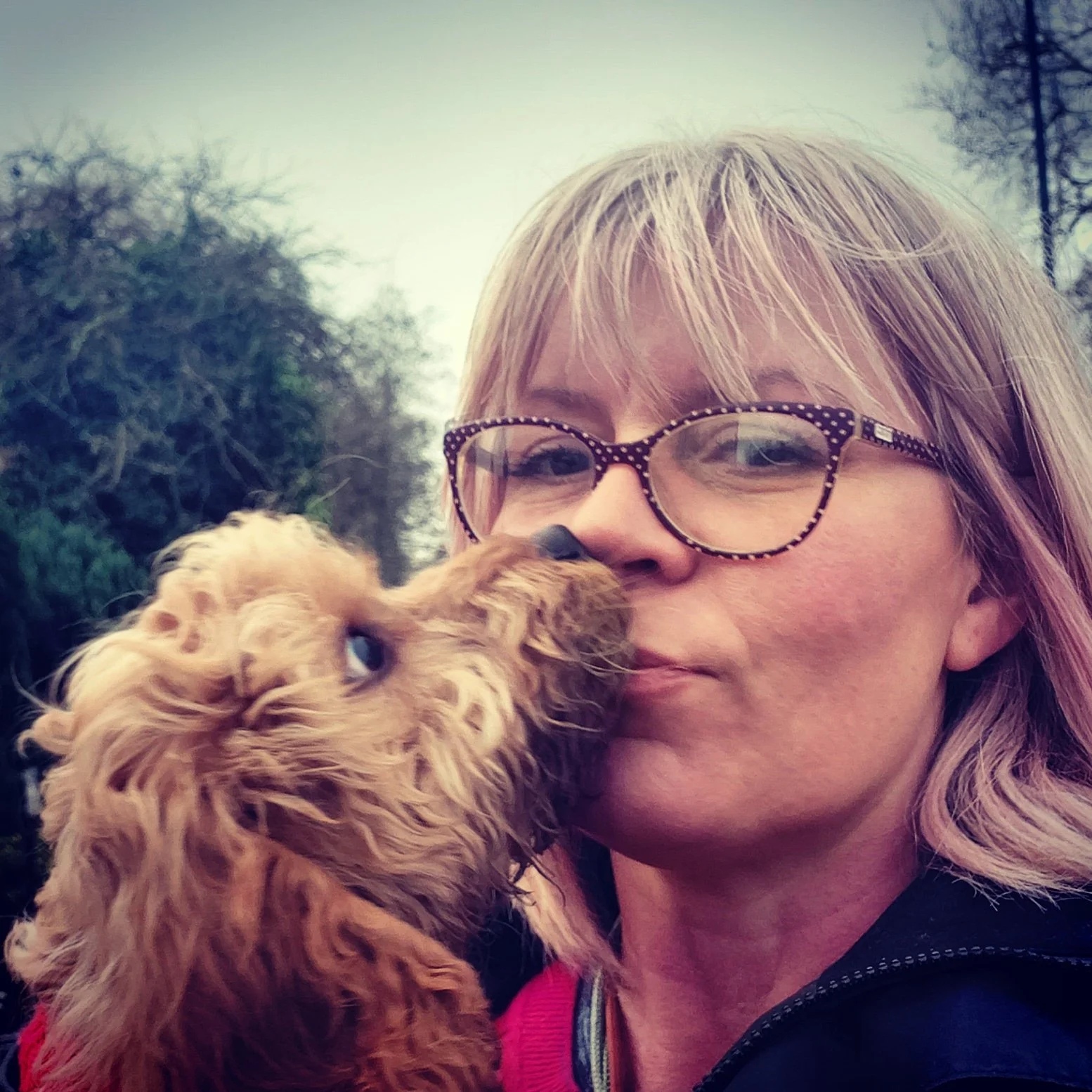
Of course, this is not an exhaustive list and I could go on and on about the merits of crate training a puppy, the nuances of loose lead walking, my favourite way of training a solid stay and how to achieve a robust recall (which are all covered in our one-to-one sessions and classes). What I've attempted to do here is point out the top tier principles and activities that will consistently elevate your puppy-ownership skills and give your puppy the best start in life, whether you take up my training services or not. I hope you find this useful and if you would like to join a workshop, class or have some one-to-one time, please do get in touch - we'd love to hear from you! Email us at info@mavendogs.co.uk, call us for a friendly chat on 07878 584302 or save your spot now on one of our very popular puppy training classes.
x maeve